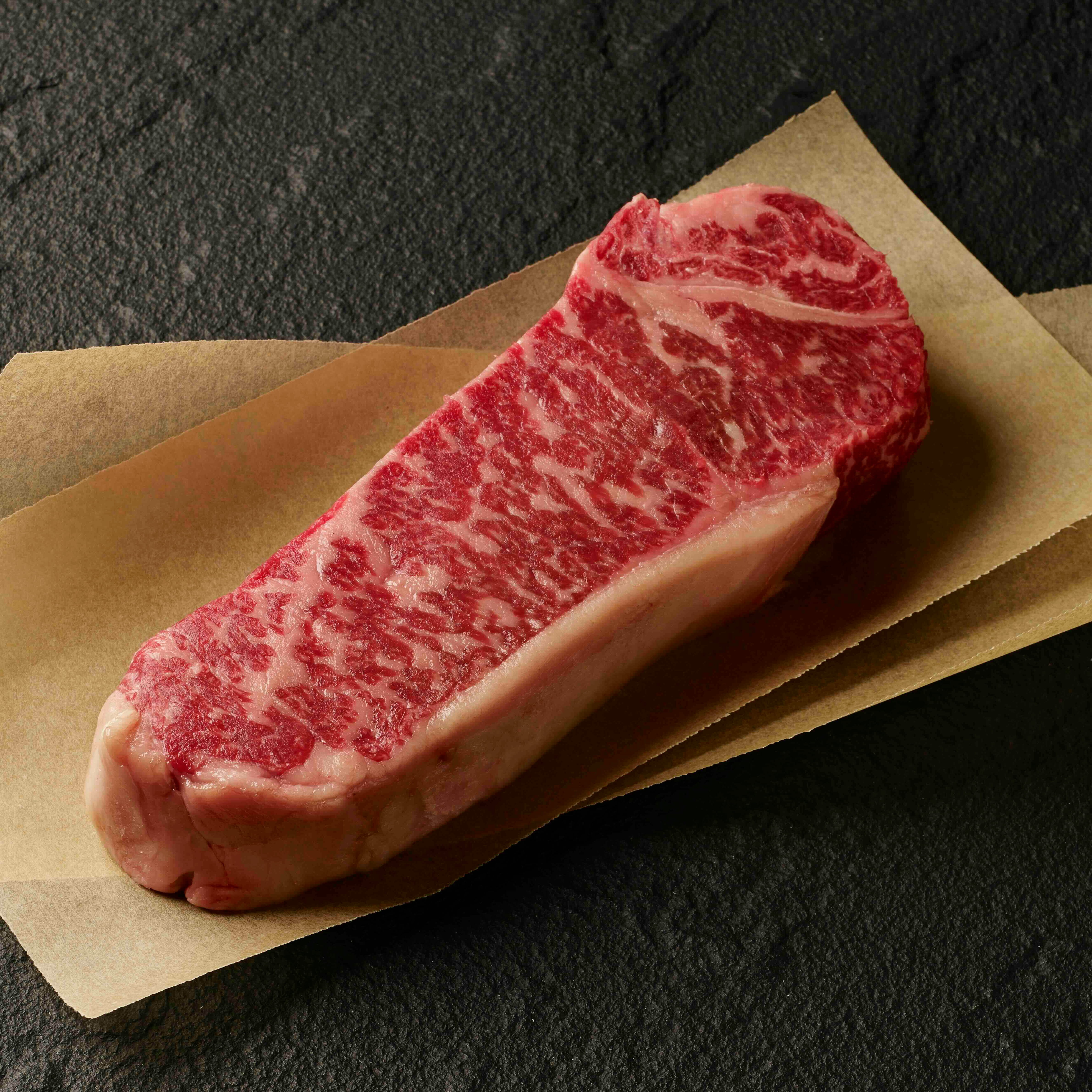
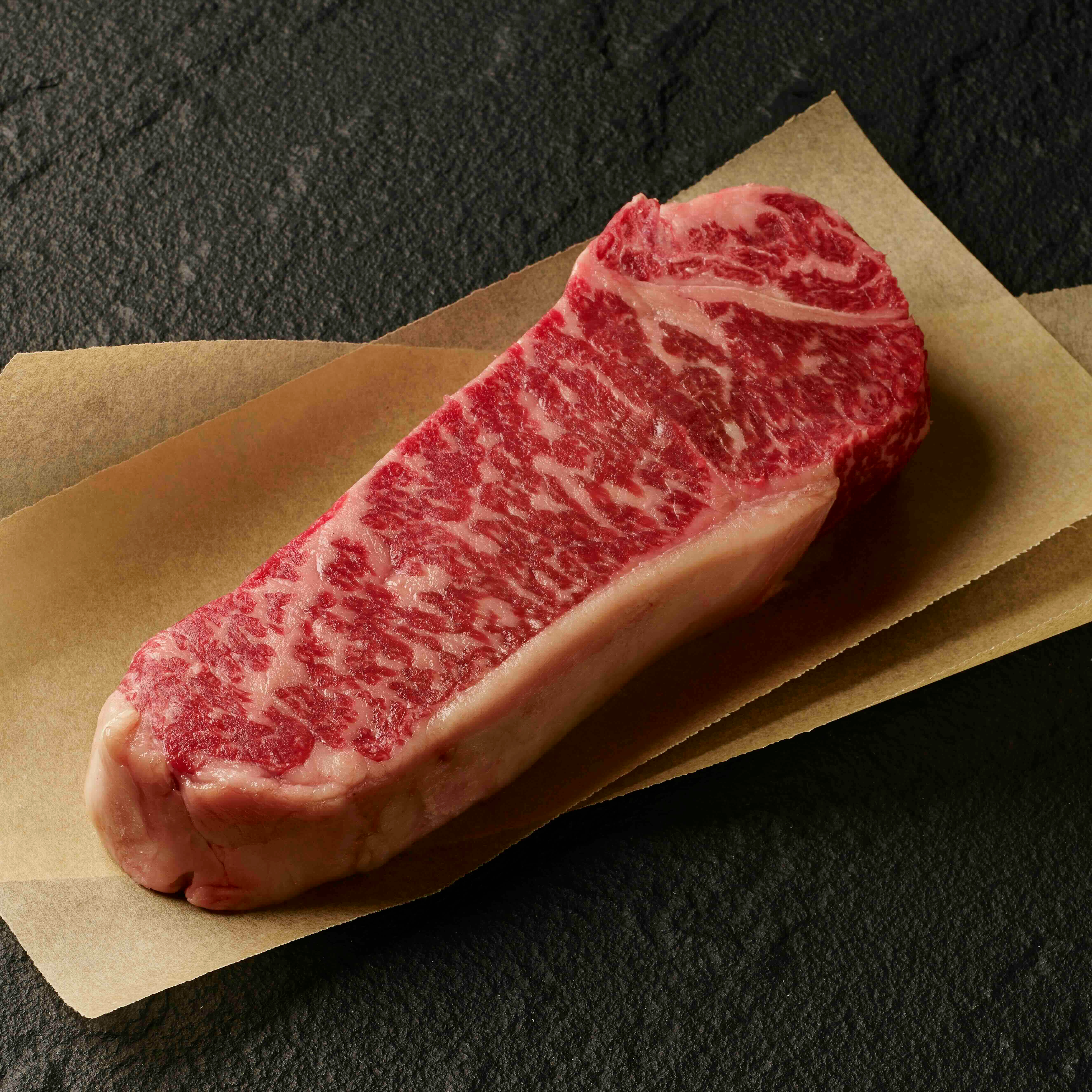
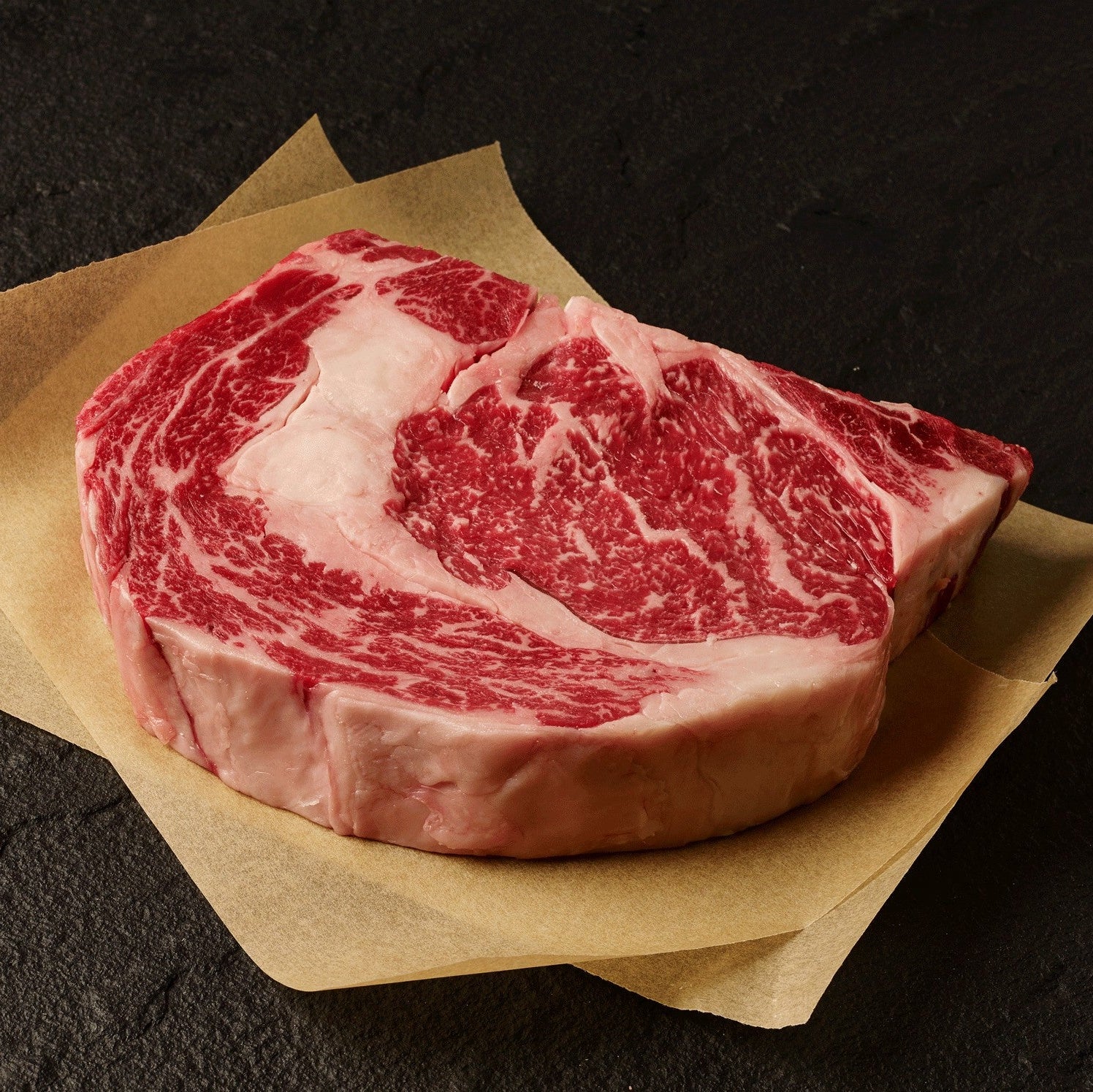
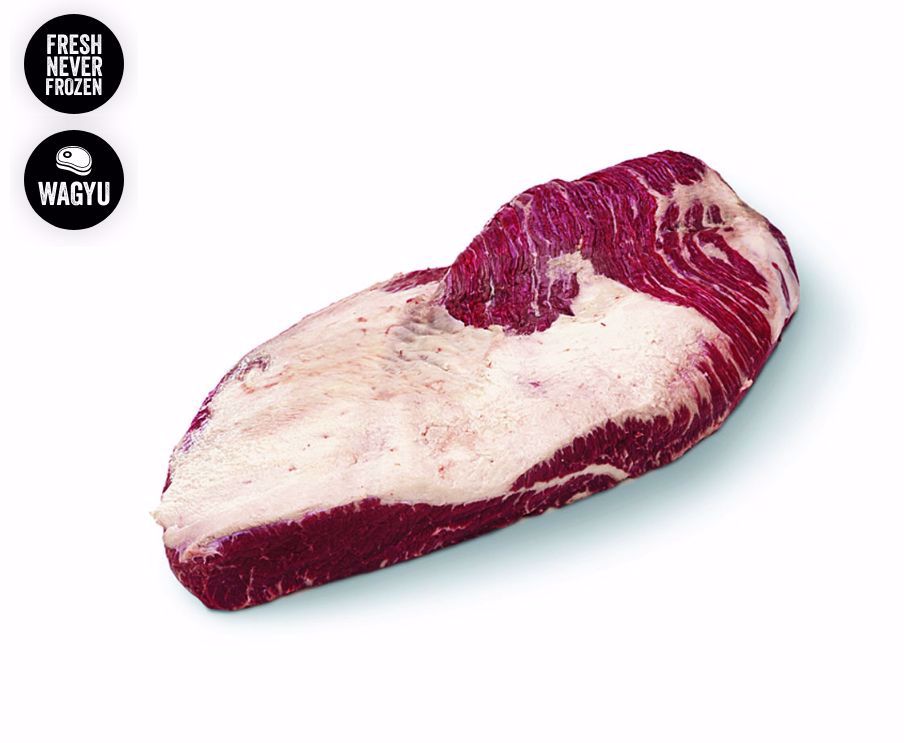
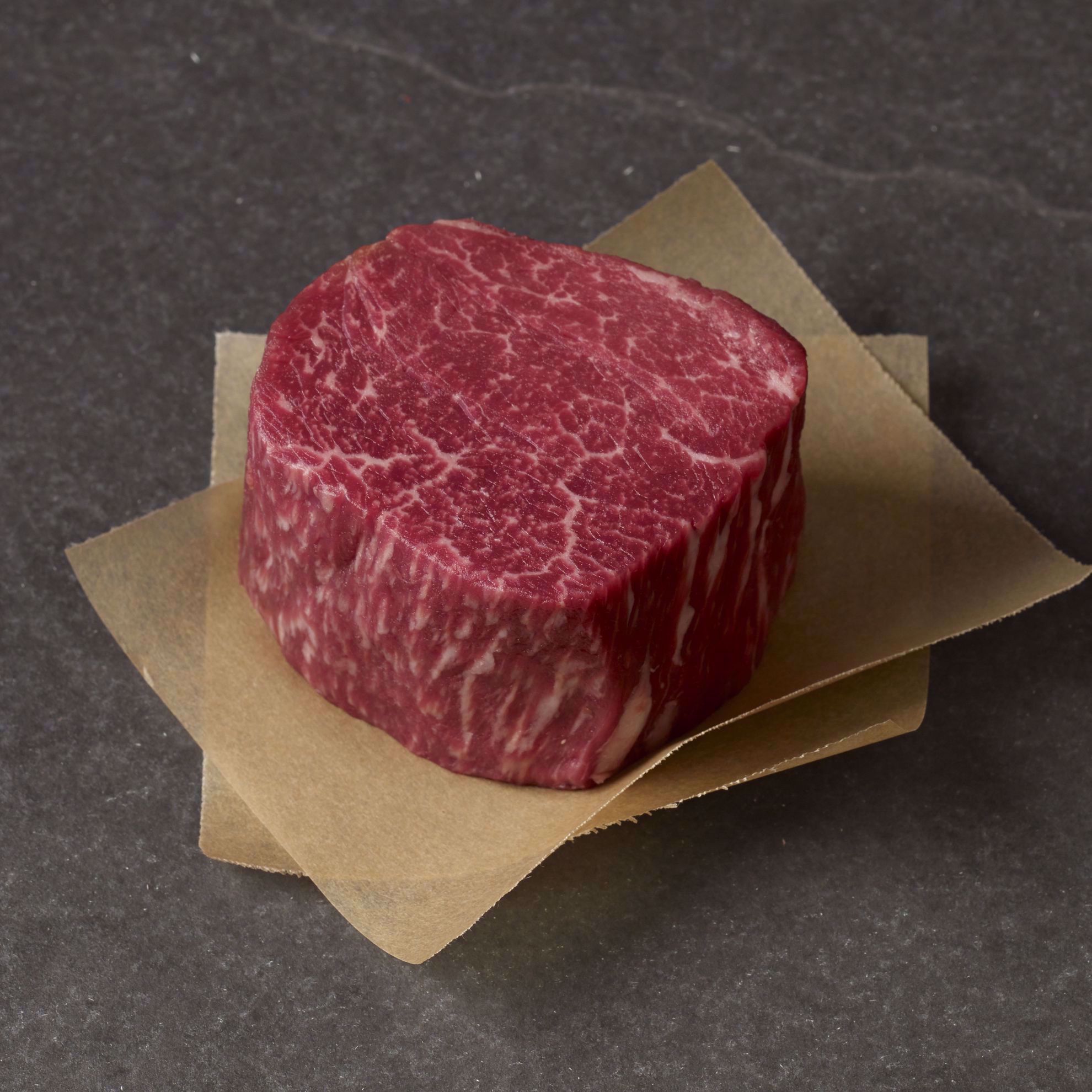
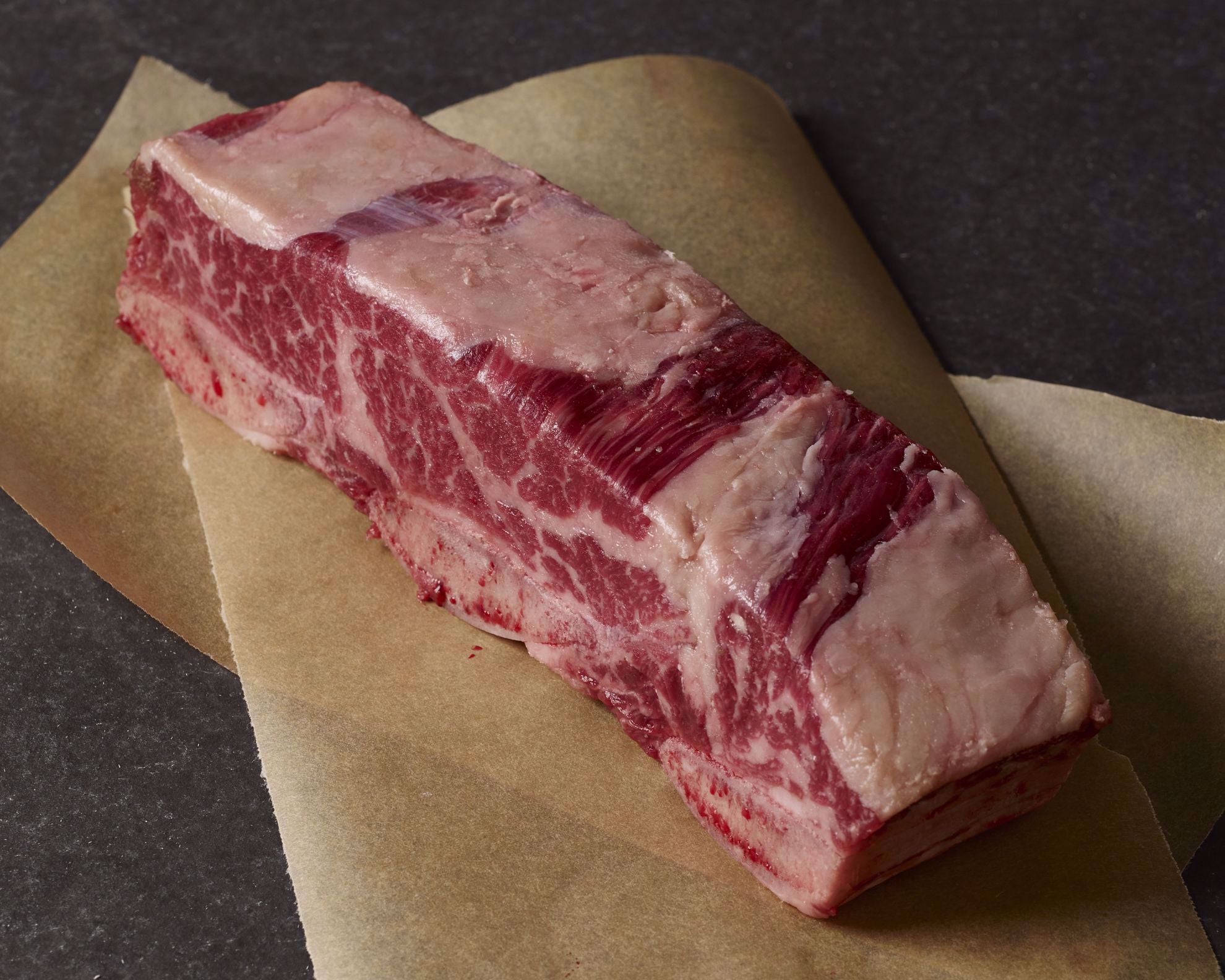
Wagyu is a breed of cattle naturally predisposed to produce beef that is densely marbled. In fact, Wagyu beef surpasses USDA marbling standards for prime-grade beef. Often referred to as the “foie gras of beef,” Wagyu has an exquisitely tender texture and incomparable, luxurious taste.
Why am I hearing so much about Wagyu beef now?
Wagyu’s time has come. Once rare and special, Wagyu is on its way to becoming the new gourmet hit.
Somewhere along the way to mass-market appeal, the standards of true quality often get lost … All because everybody and their brother want in on the next big thing.
And, Wagyu beef is the next big thing. (Quality and Price: The Balsamic Vinegar Example)
How is Wagyu beef quality measured?
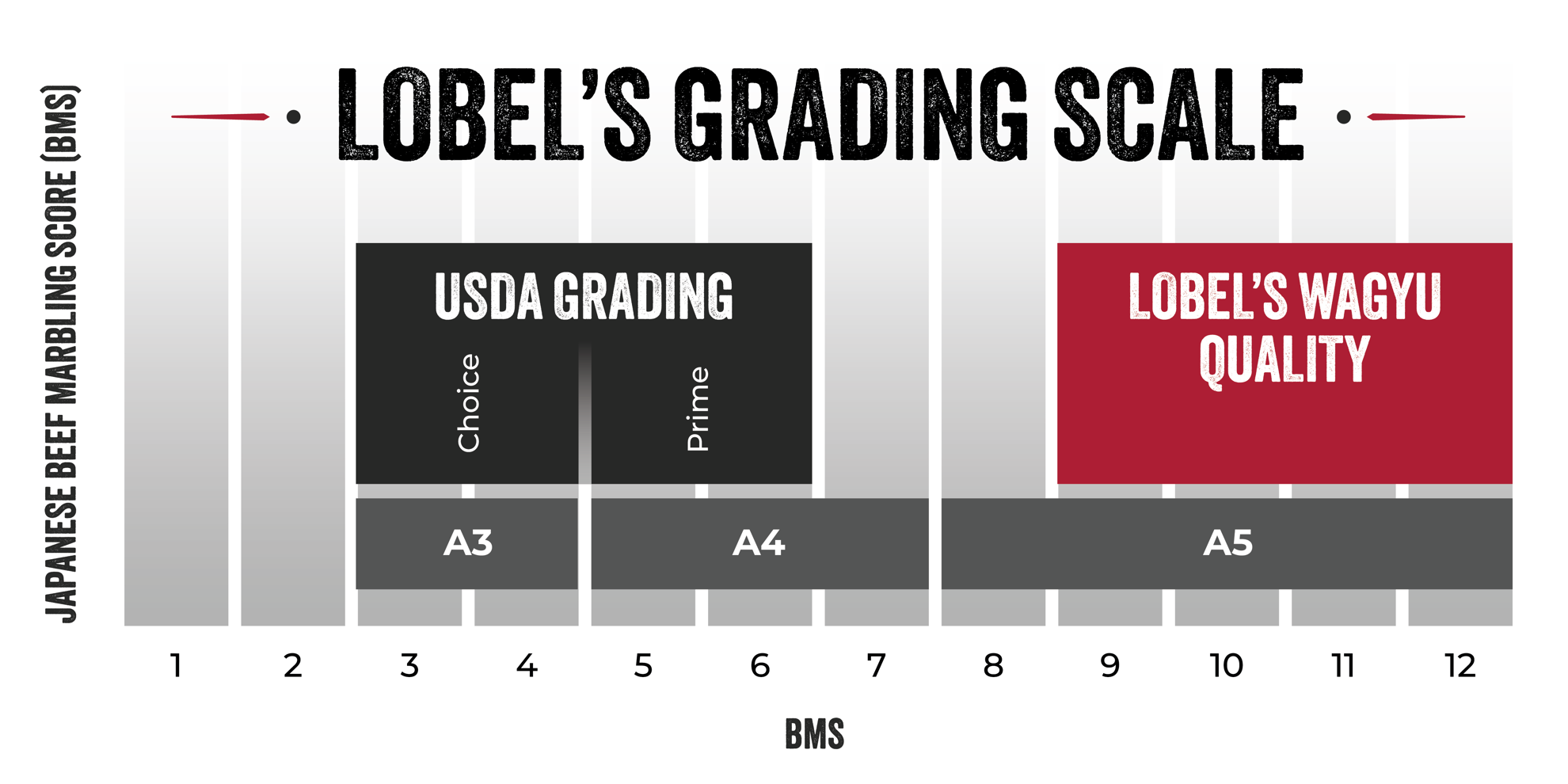
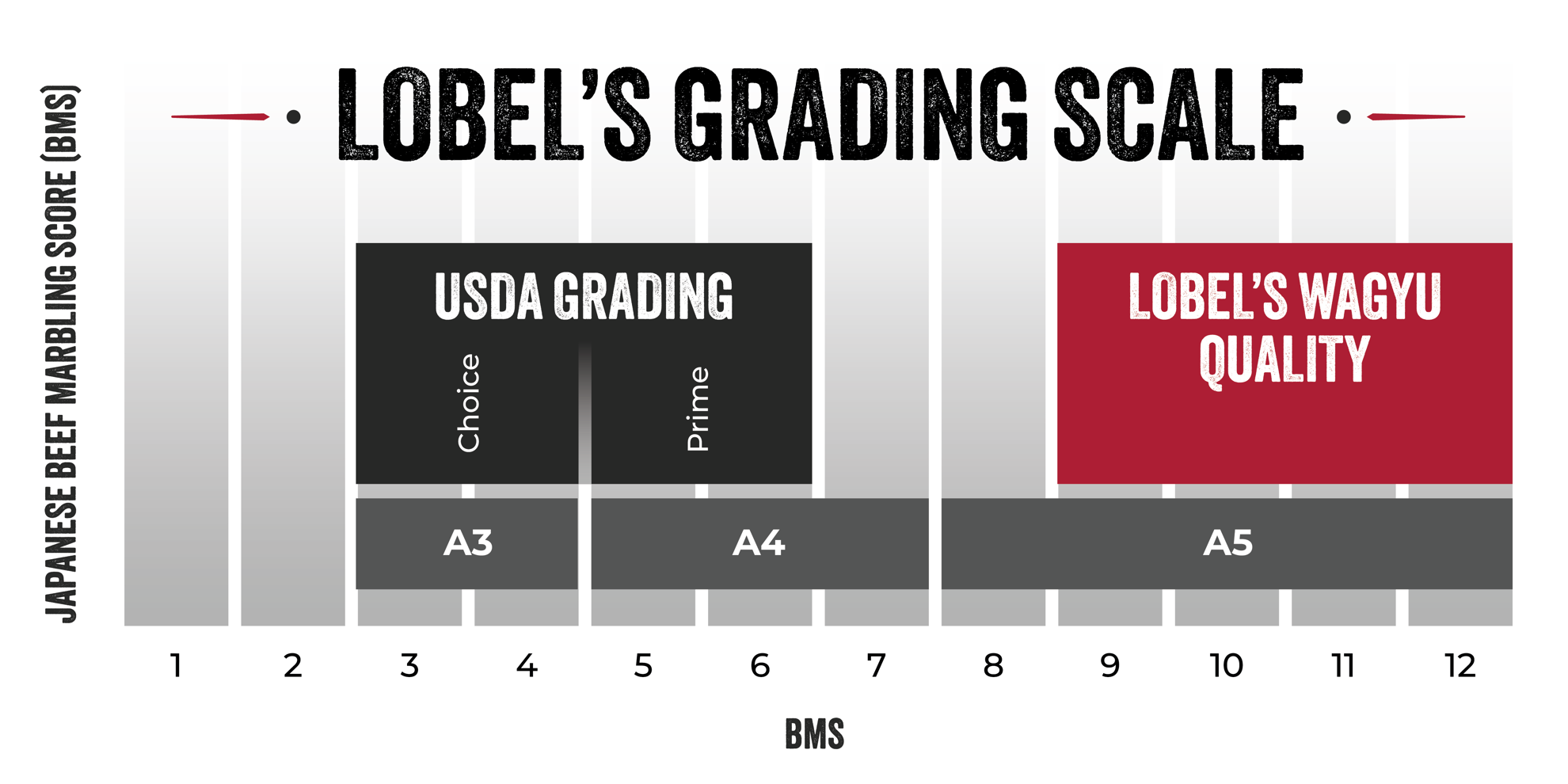
We’re use to hearing about USDA Prime, Choice and Select – the top three of seven USDA quality grades and the most-known by consumers. USDA grading is based on the density of marbling between the 12th and 13th beef rib.
Wagyu beef’s quality is determined differently: by a 12-point marbling-score scale.
Using the scale of Wagyu marbling scores, USDA prime would have an equivalent ranking of 5 to 6.
The most prized beef in Kobe, Japan, would rank the equivalent of a 12. The marbling is so dense that the lean muscle to marbling ratio can reach 9:1, or 90% fat to 10% meat.
This Kobe is unbelievably rich … too rich for many palates. Some say it looks like a piece of meat that has been left in a snowstorm … fine strands of lean meat embedded in pure fat.
Typically, the mass-marketed variety of Wagyu will have a marbling score at the low end of the 12-point scale
Quality and Price: The Balsamic Vinegar Example
A few years ago, Balsamic vinegar was the next big thing.
Genuine Balsamic vinegar comes from Modena, Italy, where it has been produced for more than 600 years. The finest Balsamics are aged for at least 25 years in a succession of smaller and smaller wooden barrels … juniper, oak, cherry and others. Along the way, its volume shrinks through evaporation, its flavors become more concentrated and complex. Production of this syrupy condimenti is tightly regulated by a consortium of producers and every bottle is individually stamped with a unique number.
At current price estimates, 25 year-old Balsamic vinegar costs $200 or more for 3.4 fluid ounces. The rarest Balsamics -- aged 150 years or more -- command upwards of $500 for a 3.4 fl. oz. bottle.
Today, however, you can also buy a 16 fl. oz. bottle of Balsamic vinegar in just about any grocery store and pay $4.95 … $3.95 with a coupon.
As you can see, there’s a big difference between the real stuff and the mass-marketed variety.
The same is true of Wagyu beef.
Expect to pay $100-150 per pound for the best-quality Wagyu. If you see it for $29.95 per pound … remember, you get what you pay for.
Is it really Wagyu beef? Well, yes.
Is it best quality Wagyu beef -- absolutely not.
|